Identifying the best SARM supplier is a critical responsibility for experienced buyers engaged in laboratory and analytical research. As the SARMs market continues to mature, it has also become increasingly fragmented, with substantial differences in quality control, transparency, and operational integrity between suppliers. For advanced researchers, supplier selection directly influences data reliability, compound consistency, and long-term research credibility.
Unlike entry-level buyers, experienced purchasers understand that SARMs sourcing is not a transactional decision. It is a technical evaluation process that requires careful scrutiny of manufacturing practices, verification standards, compound handling protocols, and documentation accuracy. A supplier’s ability to consistently meet research-grade expectations separates reputable operations from those driven primarily by volume and marketing.
This guide outlines how to evaluate and compare suppliers using objective criteria to identify the best SARM supplier for sustained research use.
Defining Research-Grade SARMs Quality Standards
A foundational element in choosing the best SARM supplier is a clear understanding of SARMs quality standards. Research-grade SARMs must meet strict benchmarks for chemical purity, molecular integrity, and contamination control. These standards are not optional for experienced buyers; they are essential for reproducible and defensible research outcomes.
High-quality suppliers maintain standardized synthesis processes that minimize impurities and degradation. This includes controlled environments, validated equipment, and documented quality assurance procedures. Purity levels are typically expressed as a percentage, often 98% or higher, and should be supported by verifiable testing data rather than marketing claims.
Suppliers that fail to articulate their quality standards clearly or rely on vague assurances should be approached with caution. The best SARM supplier will treat quality control as a central operational pillar, not an afterthought.
The Role of Third-Party SARMs Batch Testing
One of the most reliable indicators of supplier credibility is SARMs batch testing. Batch testing ensures that each production run is independently verified for identity, purity, and the absence of harmful contaminants. This is especially important for experienced buyers who rely on consistency across multiple research cycles.
Batch-level testing demonstrates that a supplier understands the importance of compound reproducibility. Without it, even suppliers with historically acceptable quality can introduce unnoticed variability that undermines research accuracy. Experienced buyers should expect batch-specific Certificates of Analysis that clearly reference batch numbers, testing dates, analytical methods, and laboratory credentials.
The best SARM supplier does not reuse outdated certificates or provide generalized reports. Instead, testing documentation is updated regularly and made readily available, reflecting an ongoing commitment to quality assurance.
Assessing Transparency and Documentation Practices
Transparency is a defining characteristic of a high-caliber SARM supplier. Experienced buyers prioritize suppliers who provide detailed documentation without hesitation. This includes Certificates of Analysis, handling guidelines, storage recommendations, and compound-specific research notes.
A supplier’s willingness to share technical documentation reflects operational maturity. Suppliers that obscure testing methods, delay document requests, or provide incomplete reports often lack robust internal quality systems. In contrast, the best SARM supplier integrates documentation into the purchasing experience, allowing researchers to evaluate compounds before and after acquisition.
Transparent Peptides documentation also supports audit readiness and internal research validation, which is increasingly important for professional laboratories and institutional buyers.
Evaluating Compound-Specific Expertise
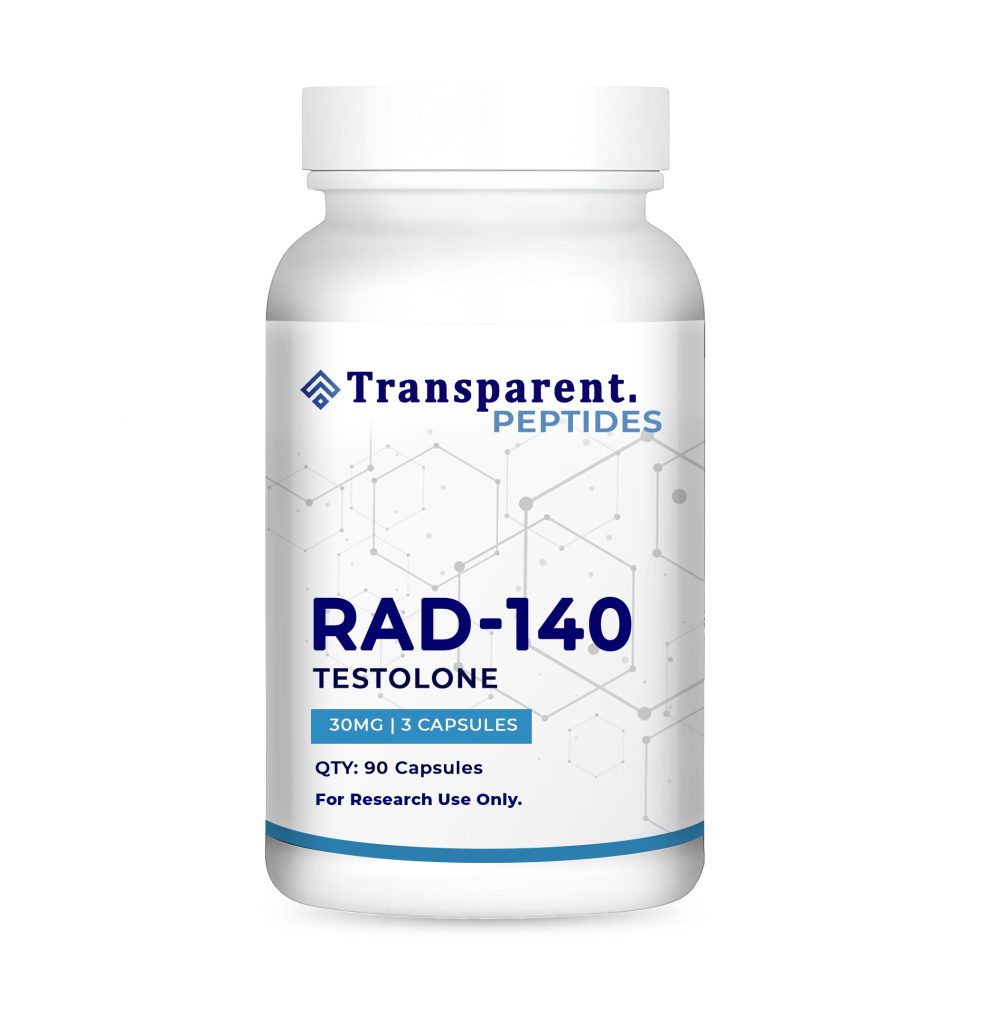
Not all SARMs are equal in terms of synthesis complexity and stability requirements. Experienced buyers often focus on specific compounds, making supplier expertise a critical evaluation factor. For example, assessing a RAD-140 supplier requires close attention to synthesis precision, stability controls, and batch consistency.
RAD-140 is a highly selective compound that demands accurate formulation and controlled handling. Minor deviations in synthesis or storage can affect compound behavior, rendering it unsuitable for precise research. A reliable RAD-140 supplier demonstrates consistent purity results across batches and provides detailed analytical documentation.
Similarly, compounds such as MK-2866 require specialized handling and formulation expertise. A comprehensive MK-2866 research guide supplied by the vendor indicates a deeper understanding of compound characteristics, degradation risks, and appropriate research parameters. Suppliers who invest in compound-specific guidance tend to prioritize informed buyers and long-term research partnerships.
Consistency as a Measure of Supplier Reliability
Consistency is often overlooked but remains one of the most important attributes of the best SARM supplier. Experienced buyers evaluate not only individual purchases but also performance over time. This includes consistency in compound purity, packaging integrity, shipping conditions, and customer communication.
Suppliers that deliver inconsistent results across orders introduce unnecessary variables into research workflows. Over time, this inconsistency can compromise data comparability and increase operational risk. The best SARM supplier demonstrates stable quality across months or years, supported by documented batch testing and standardized production protocols.
Consistency also reflects supply chain stability. Suppliers with reliable sourcing and manufacturing processes are less likely to experience abrupt changes in quality or availability.
Conducting a Meaningful SARM Vendor Comparison
A professional SARM vendor comparison involves evaluating suppliers across multiple dimensions rather than relying on surface-level metrics such as pricing or promotional offers. Experienced buyers compare quality assurance systems, testing transparency, compound expertise, and operational professionalism.
Pricing should be evaluated in context. While cost efficiency is relevant, unusually low prices often correlate with compromised testing, diluted compounds, or inconsistent sourcing. The best SARM supplier positions pricing in alignment with documented quality controls and testing investments.
Customer support is another important comparison factor. Responsive, technically informed communication indicates that a supplier understands its research-oriented audience and the level of precision required in advanced compound evaluation. Suppliers capable of addressing compound-specific questions including formulation, purity benchmarks, and documentation related to medical grade MK-677 demonstrate a deeper operational understanding. This level of clarity and technical competence significantly improves a supplier’s ability to support advanced research needs effectively.
Understanding Compliance and Research-Only Positioning
Professional SARMs suppliers clearly define their products as intended for research use only. This positioning reflects awareness of regulatory boundaries and reduces risk exposure for both parties. Experienced buyers should avoid suppliers that use ambiguous language or marketing tactics that suggest non-research applications.
The best SARM supplier demonstrates compliance awareness through proper labeling, transparent terms of use, and responsible communication. This level of diligence signals long-term viability and operational integrity within an evolving regulatory landscape.
Suppliers that prioritize compliance tend to invest more heavily in quality systems and documentation, further reinforcing their suitability for serious research buyers.
Shipping, Handling, and Storage Considerations
While often treated as secondary factors, shipping and storage practices play a meaningful role in compound integrity. SARMs can be sensitive to temperature, light, and moisture, making proper packaging essential.
Experienced buyers evaluate whether suppliers use sealed, tamper-evident packaging and provide clear storage recommendations. Inadequate packaging or poor handling practices can compromise compound stability before it reaches the research environment.
The best SARM supplier incorporates controlled shipping methods and clear handling guidance as part of its quality assurance framework.
Long-Term Supplier Evaluation Strategy
Choosing the best SARM supplier is not a one-time decision but an ongoing evaluation process. Experienced buyers regularly reassess supplier performance based on batch consistency, documentation updates, and overall reliability.
Establishing a structured evaluation framework allows buyers to identify early warning signs of declining quality or operational changes. This proactive approach helps maintain research integrity and minimizes disruptions caused by supplier variability.
Long-term relationships with reliable suppliers reduce procurement risk and support more efficient research planning.
Conclusion
Selecting the best SARM supplier requires a disciplined, evidence-based approach that prioritizes quality, transparency, and consistency. Experienced buyers benefit from evaluating SARMs quality standards, verifying SARMs batch testing, assessing compound-specific expertise, and conducting comprehensive SARM vendor comparisons.
Suppliers that demonstrate strong documentation practices, stable quality over time, and responsible research positioning stand out in a competitive and uneven market. By applying these evaluation principles, experienced buyers can identify suppliers that support accurate, reproducible, and professionally defensible research outcomes. For further information, detailed documentation requests, or research-related inquiries, contact us to discuss your specific requirements with our team.
Frequently Asked Questions
The best SARM supplier consistently delivers verified batch testing, high-purity compounds, transparent documentation, and long-term quality stability suitable for advanced research.
Quality standards ensure compound integrity, reproducibility, and contamination control, all of which directly impact research accuracy and credibility.
Buyers should review batch-specific Certificates of Analysis that include testing dates, batch numbers, analytical methods, and third-party laboratory verification.
A reliable RAD-140 supplier provides consistent purity across batches, precise documentation, and demonstrates clear expertise in handling selective compounds.
Yes. Detailed documentation supports internal validation, audit readiness, and informed compound handling, all of which are essential for professional research environments.